BIMARIDUR HEALTH ENCYCLOPEDIA

COVID-19

COVID-19 is an infectious disease caused by SARS-CoV-2. Illness can range from asymptomatic or mild infection to pneumonia, severe respiratory disease and critical illness.

COVID-19 anatomy
ICDU07.1
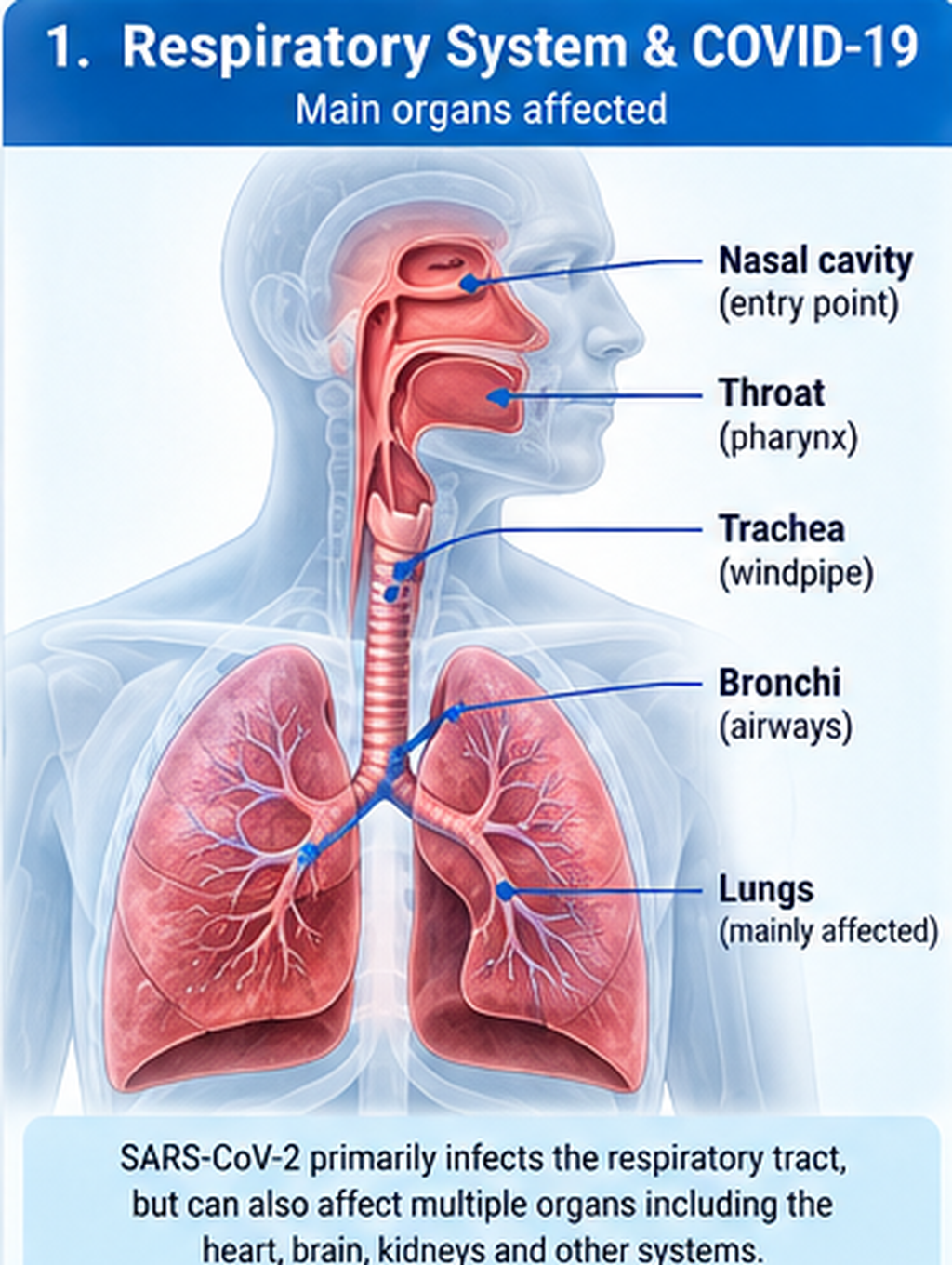
Affected areaCOVID-19 primarily affects the upper and lower respiratory tract, including the nose, throat, airways and lungs. Severe disease can involve cardiovascular, neurological, renal and other organ systems.
ContagiousnessCOVID-19 is contagious and spreads mainly through respiratory particles. Transmission is more likely during close contact and in crowded or poorly ventilated environments. Infectiousness varies during the course of illness.
01 • QUICK UNDERSTANDING

What is COVID-19?

COVID-19 is caused by infection with SARS-CoV-2. Symptoms and severity vary widely. Many people recover from acute illness, while some develop pneumonia, low blood oxygen or other complications. Risk of severe disease is higher in some older adults, people with chronic conditions, immunocompromised people and other higher-risk groups. Persistent symptoms after infection are referred to as post-COVID-19 condition or long COVID.
02 • BODY & MECHANISM

What happens in the body?

COVID-19 anatomy illustration

Body structure involved

The main structures involved are the nose and upper airway, throat, trachea, bronchi and lungs. Severe disease may affect several other organ systems.

How it starts

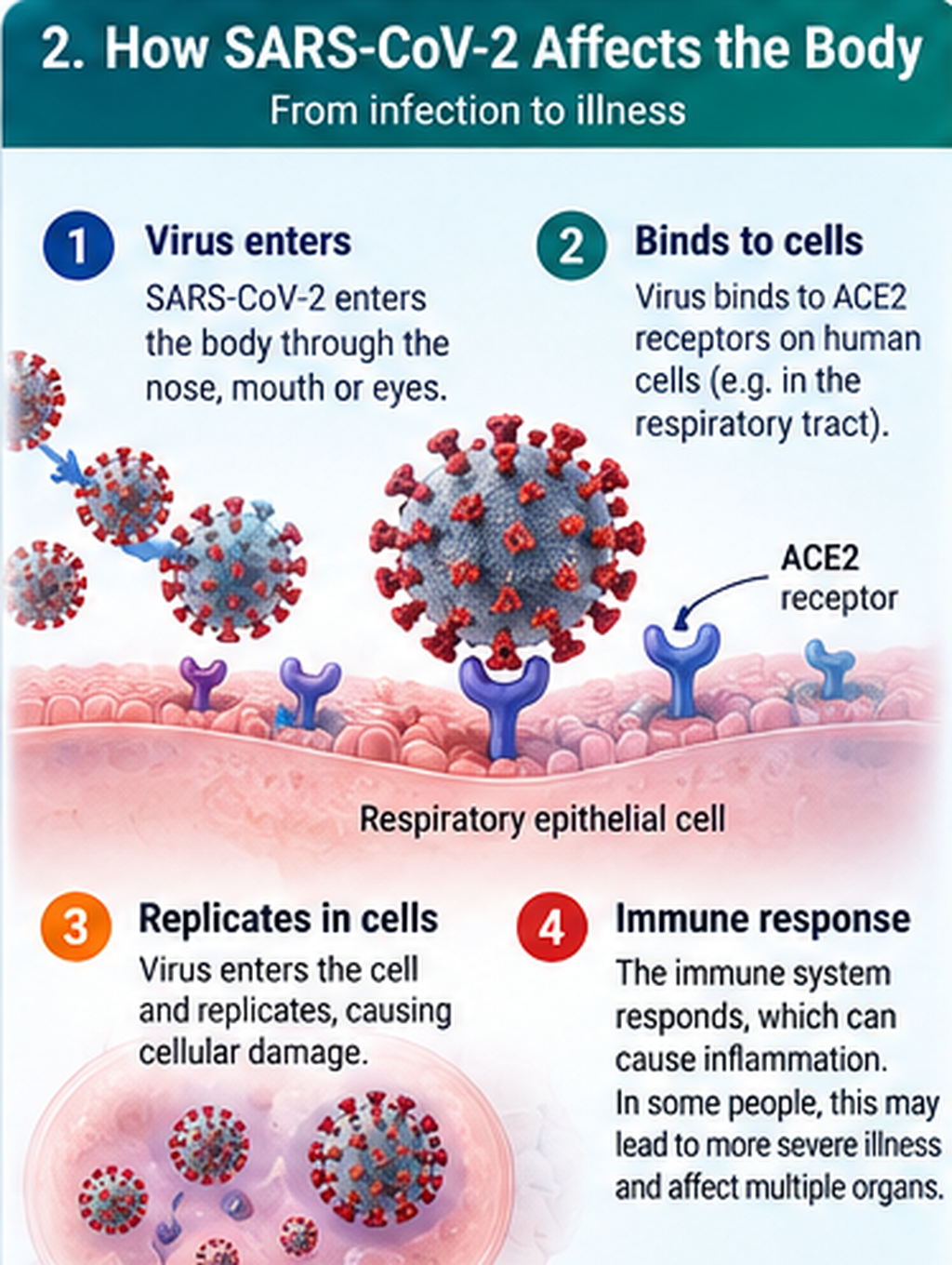
Infection begins when SARS-CoV-2-containing respiratory particles reach the respiratory tract and establish infection in susceptible cells. Symptoms may develop after an incubation period, although some infections remain asymptomatic.

What happens inside the body

SARS-CoV-2 enters susceptible cells in the respiratory tract. Viral infection and the body's immune response can cause inflammation of the airways and lungs. In more severe illness, inflammation, impaired oxygen exchange, blood-clotting abnormalities and other biological effects can contribute to organ complications.

03 • TYPES & CLASSIFICATION

Types and classification

COVID-19 classification

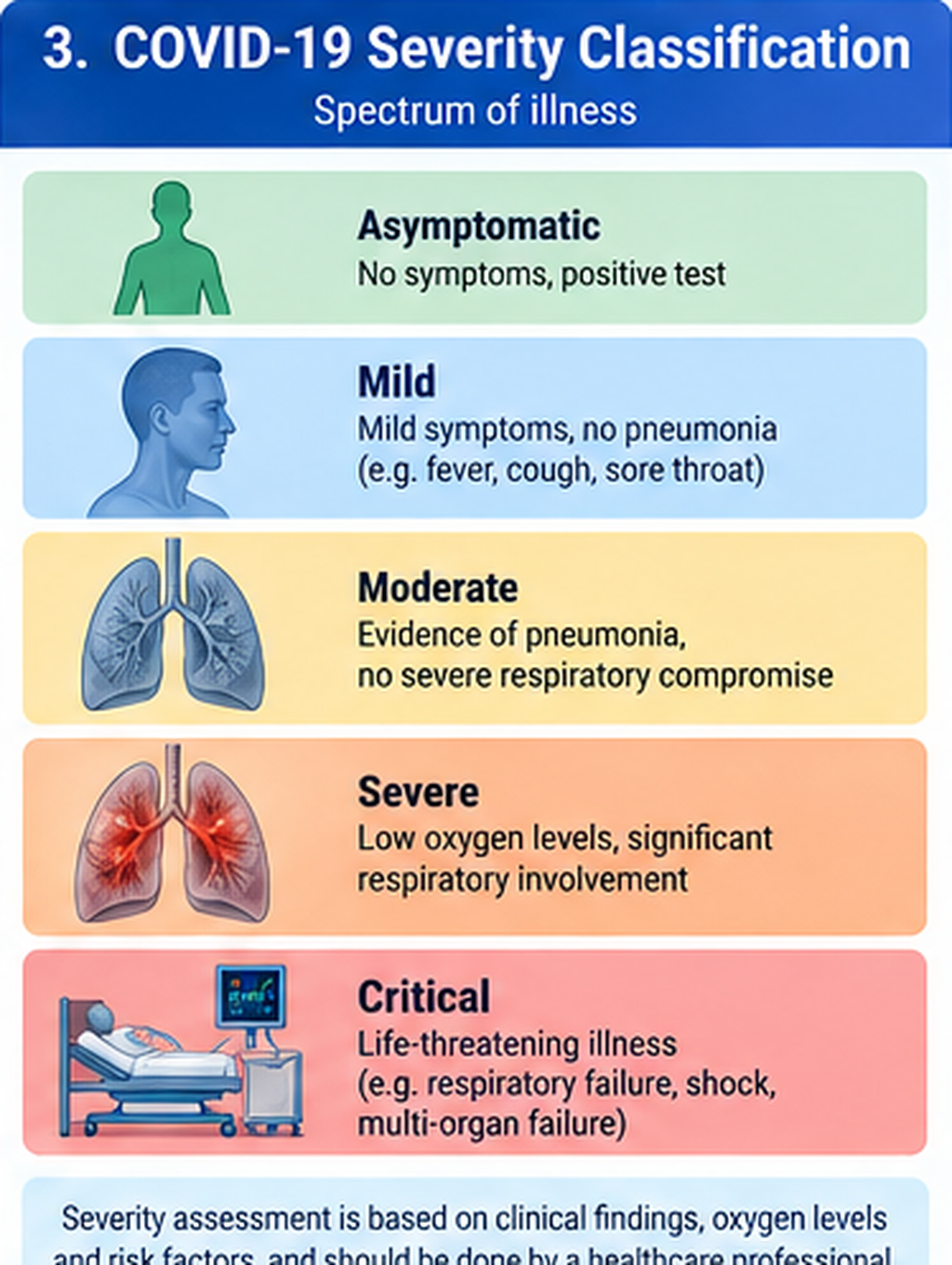
Clinical severity is assessed using symptoms, respiratory status, oxygenation, evidence of pneumonia and individual risk factors. A practical framework is asymptomatic infection, mild illness, moderate disease with pneumonia, severe disease and critical illness.

COVID-19 may be asymptomatic, mild, moderate, severe or critical. The classification is clinical and should not be based on symptoms alone. Oxygenation, respiratory effort, pneumonia and overall clinical condition are important in assessing severity.

04 • SYMPTOMS

Symptoms and warning signs

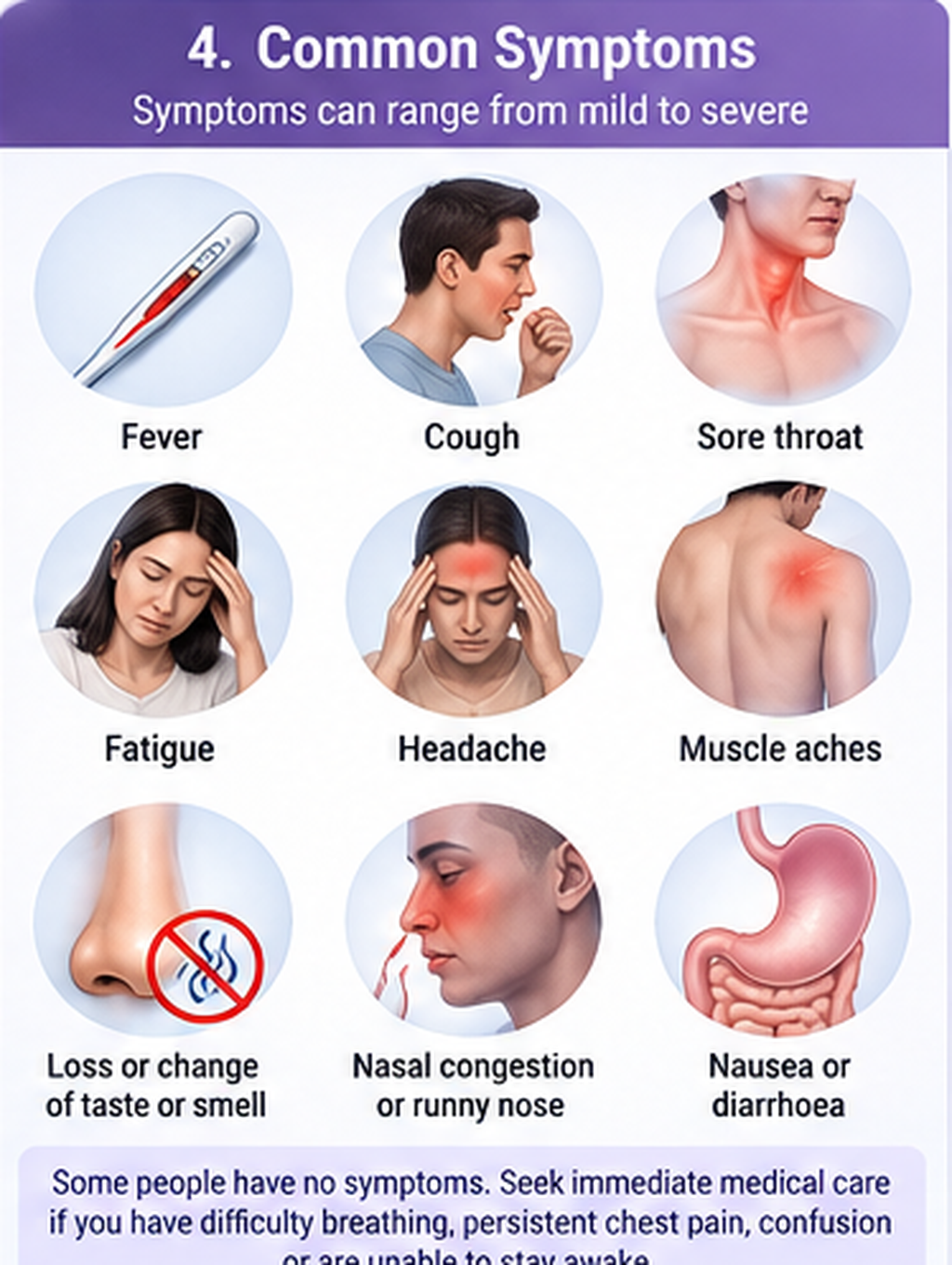
COVID-19 symptoms

Fever or chills

Cough

Shortness of breath or difficulty breathing

Sore throat

Runny or blocked nose

Fatigue or unusual tiredness

Muscle or body aches

Headache

Nausea or vomiting

Diarrhea

New loss of taste or smell

05 • LESS OBVIOUS SIGNS

Signs that may be easy to miss

Some infections cause few or no symptoms. In older adults or people with serious underlying illness, COVID-19 may sometimes present with less typical changes such as unusual fatigue, reduced appetite, reduced alertness or decline in usual function.

06 • CAUSES

What can cause this disease?

COVID-19 causes

COVID-19 is caused by SARS-CoV-2. Transmission occurs mainly through respiratory particles released by an infected person, particularly during close contact and in crowded or poorly ventilated environments.

07 • RISK FACTORS

Who may have a higher risk?

1

Older age, particularly in people with additional medical conditions.

2

Chronic medical conditions such as cardiovascular disease, chronic lung disease, diabetes or chronic kidney disease.

3

A weakened immune system or use of medicines that suppress immune function.

4

Pregnancy can increase the risk of severe COVID-19 compared with non-pregnant people.

5

Not being up to date with recommended COVID-19 vaccination can increase the risk of severe disease.

6

Close or prolonged exposure to a person with COVID-19.

7

Crowded or poorly ventilated indoor environments can increase exposure risk.

08 • DIAGNOSIS

How is COVID-19 diagnosed?

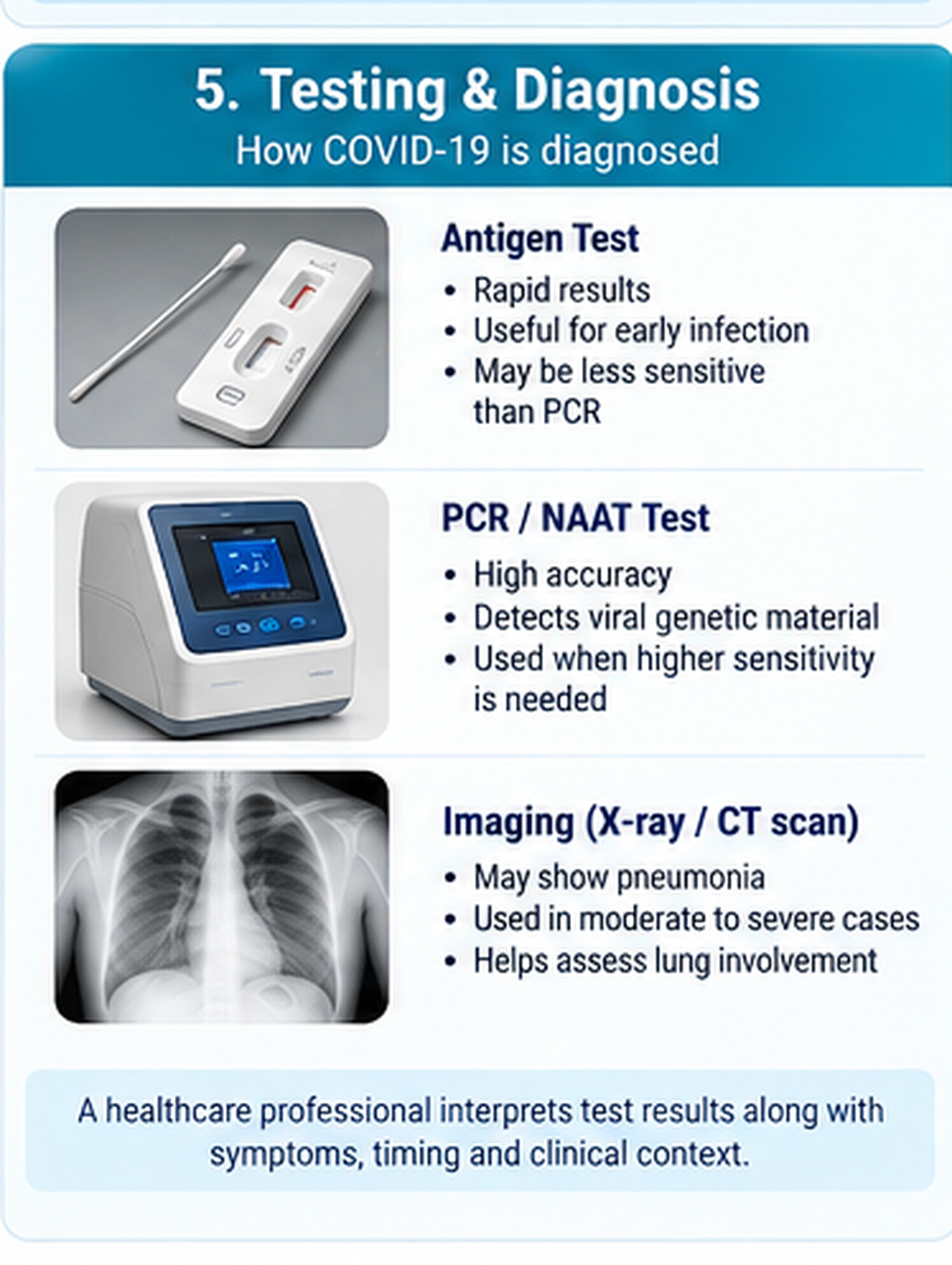
COVID-19 diagnosis pathway

Diagnosis combines clinical assessment with SARS-CoV-2 testing when appropriate. Molecular nucleic-acid amplification tests such as NAAT/PCR and antigen-detection tests are commonly used. Test interpretation depends on symptoms, timing, exposure and the type of test used.

Clinical evaluation

Temperature and general clinical assessment.

Respiratory rate and work of breathing.

Oxygen saturation measured with pulse oximetry when clinically indicated.

Heart rate and blood pressure.

Assessment for dehydration and ability to maintain oral fluid intake.

Assessment for confusion, reduced alertness or other neurological changes.

Evaluation of underlying medical conditions and risk factors for severe disease.

Laboratory tests

SARS-CoV-2 nucleic acid amplification test (NAAT), including PCR-based testing.

Rapid antigen testing for SARS-CoV-2.

Complete blood count when clinically indicated.

Kidney function and electrolyte testing when clinically indicated.

Liver function testing when clinically indicated.

Inflammatory markers or other laboratory investigations may be used in patients with moderate or severe illness.

Additional laboratory testing is guided by the severity of illness and suspected complications.

Imaging and scans

Chest X-ray when pneumonia or another complication is suspected.

Chest CT may be considered in selected patients when detailed assessment of lung involvement is clinically necessary.

Other imaging studies are guided by symptoms and suspected complications rather than performed routinely in every case.

Special or confirmatory tests

Pulse oximetry to assess blood oxygen saturation.

Arterial blood gas testing may be used in selected patients with severe respiratory illness.

Electrocardiogram may be performed when cardiac involvement or another cardiac problem is suspected.

Additional microbiological testing may be required when another respiratory infection is suspected.

Assessment for venous thromboembolism or other complications may require targeted investigations.

09 • DIFFERENTIAL CONTEXT

Conditions that may look similar

Influenza

Respiratory syncytial virus (RSV) infection

Common viral upper-respiratory infections

Community-acquired pneumonia

Bacterial pneumonia

Allergic rhinitis

Asthma exacerbation

10 • EXTENT / STAGE

Stages or severity

COVID-19 stages

Clinical severity can be described as: asymptomatic infection; mild illness without evidence of pneumonia or hypoxaemia; moderate illness with pneumonia but without severe respiratory compromise; severe illness with significant respiratory impairment or low oxygen; and critical illness with life-threatening complications such as respiratory failure or shock. Exact definitions should follow current professional guidance.

Important:

Staging or grading systems differ between diseases. The information here is educational and should be interpreted by a qualified healthcare professional in the context of the individual case.

11 • TREATMENT

How is COVID-19 treated?

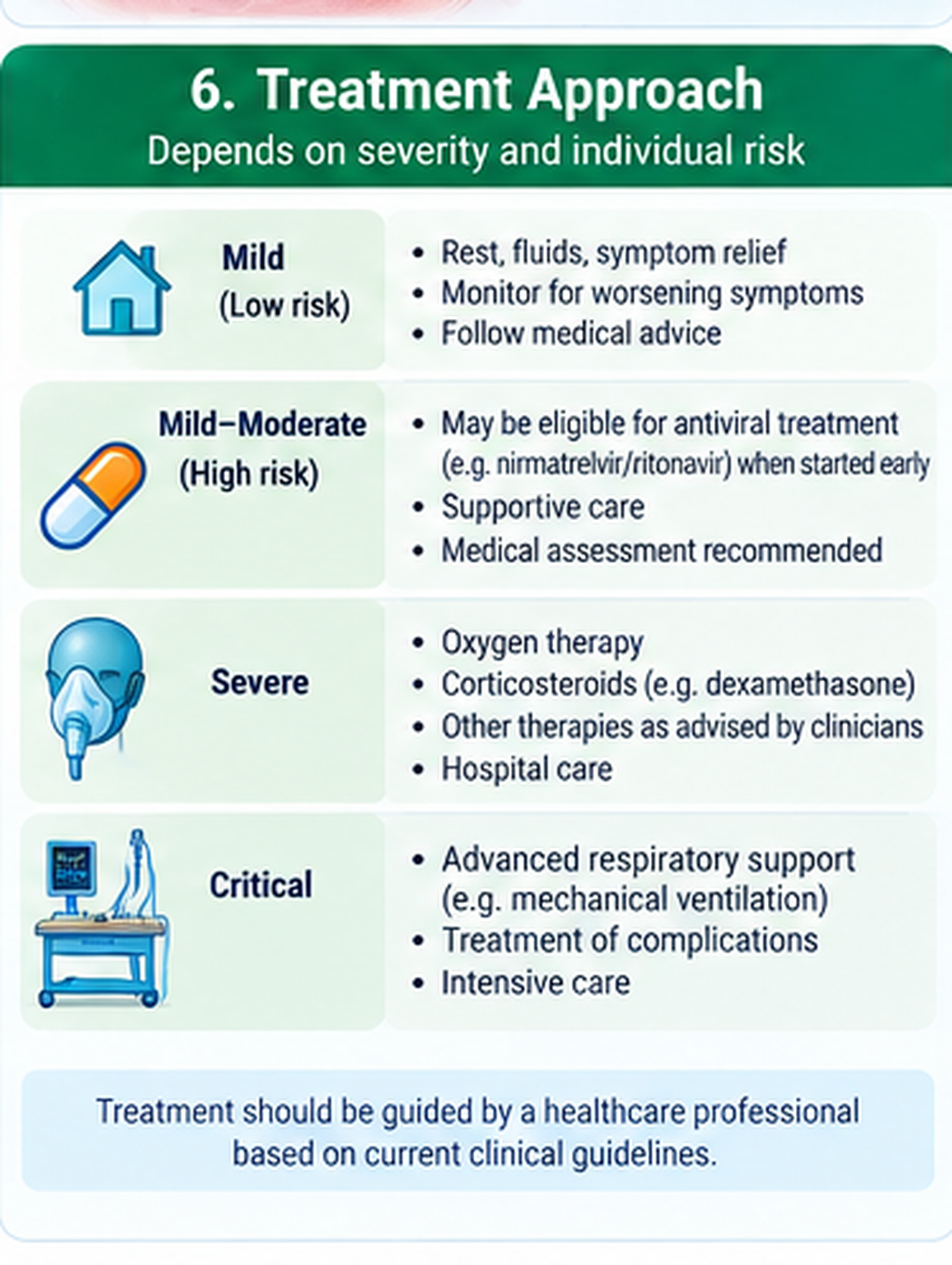
COVID-19 treatment

Treatment depends on severity and risk of progression. People with uncomplicated mild illness generally receive supportive care and monitoring. People at increased risk of severe disease may be eligible for time-sensitive antiviral treatment after clinical assessment. Severe or critical illness may require oxygen and hospital-based therapies, including corticosteroids for appropriate patients. Treatment decisions must be individualized by a qualified clinician.

Medicines that may be used

Antiviral treatment may be prescribed for selected people at increased risk of progression to severe COVID-19, according to current clinical guidance.

Supportive treatment may include adequate fluids, rest and medicines used to relieve fever or pain when appropriate.

Oxygen therapy may be required for patients with hypoxemia or severe disease.

Corticosteroids such as dexamethasone are used in selected patients with severe or critical COVID-19 who require supplemental oxygen; they are not routinely used for mild disease.

Other immunomodulatory treatments may be considered by clinicians for selected patients with severe or critical disease.

Antibiotics do not treat SARS-CoV-2 itself and are used only when bacterial infection is suspected or confirmed.

Medicine safety:

Medicines listed here are for educational information only. Do not start, stop, or change a medicine without professional medical advice.

12 • COMPLICATIONS

Possible complications

Potential complications include pneumonia, hypoxaemia, acute respiratory failure, blood-clotting complications, cardiovascular complications, neurological complications and other organ involvement. Persistent symptoms can occur after the acute infection.

URGENT SAFETY INFORMATION

When should urgent medical help be considered?

Difficulty breathing or severe shortness of breath.

Persistent chest pain or pressure.

New confusion or inability to stay awake.

Bluish, gray or pale discoloration of the lips, skin or nail beds.

Severe weakness, collapse or rapidly worsening symptoms.

Very low oxygen saturation or a concerning oxygen reading when measured correctly, particularly in a person with known COVID-19 and breathing symptoms.

If symptoms are severe, rapidly worsening, or life-threatening, seek emergency medical care immediately.

13 • OUTLOOK

Prognosis and recovery outlook

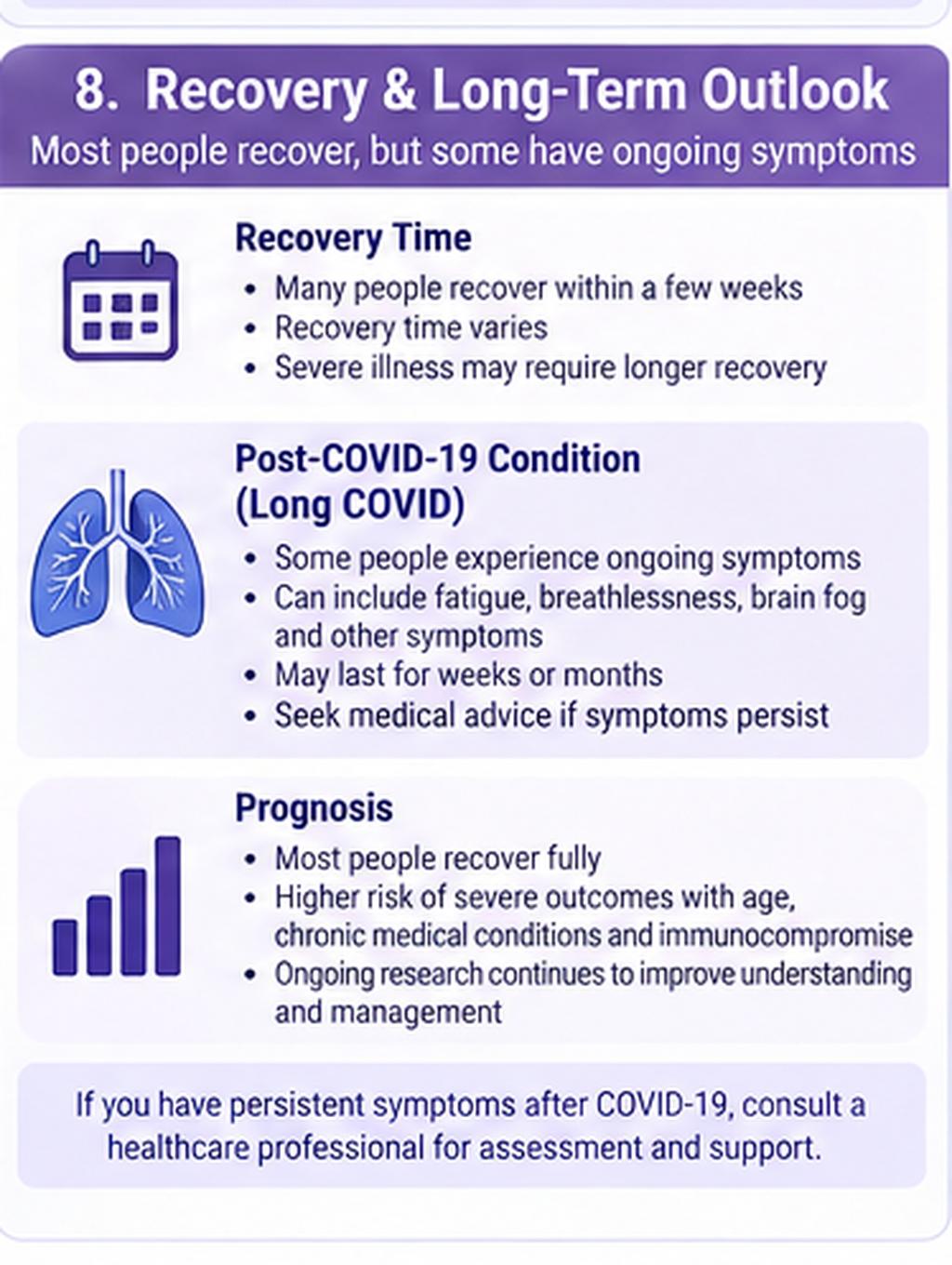
COVID-19 prognosis

Many people recover from acute COVID-19 without hospitalization, but recovery varies. Older age, chronic medical conditions, immunocompromise and other risk factors can increase the likelihood of severe disease. Some people develop persistent symptoms or post-COVID-19 condition.

How to interpret these statistics

Survival statistics describe outcomes in groups of people and cannot predict exactly what will happen to one individual. Prognosis depends on factors such as cancer stage, tumor biology, treatment response, overall health, and follow-up.

14 • EPIDEMIOLOGY

How common is it?

SARS-CoV-2 continues to circulate globally. Epidemiology changes over time with viral evolution, population immunity, vaccination, prior infection and public-health measures. Current local surveillance is more useful than historical pandemic totals for understanding present-day risk.

15 • PREVENTION

Risk reduction and prevention

Prevention combines vaccination according to current recommendations with staying home while acutely ill, ventilation, appropriate masking in higher-risk settings, respiratory and hand hygiene, and reducing exposure of vulnerable people during infectious illness.

16 • PREPARE FOR YOUR VISIT

Questions you may ask your doctor

1

Could my symptoms be COVID-19 or another respiratory infection?

2

Do I need a SARS-CoV-2 test?

3

Am I at increased risk of severe COVID-19?

4

Would antiviral treatment be appropriate for me?

5

Do my current medicines or medical conditions affect COVID-19 treatment?

6

What symptoms should make me seek urgent medical care?

7

How should I monitor my symptoms and oxygen level at home if advised?

8

When can I safely return to work, school or normal activities?

9

Could persistent symptoms represent post-COVID condition?

10

Do I need follow-up after recovering from COVID-19?

17 • FAQ

Frequently asked questions

What causes COVID-19?
What are the common symptoms?
Can COVID-19 be mild?
Who is at higher risk of severe COVID-19?
When should I seek emergency care?
Do antibiotics cure COVID-19?
Can COVID-19 cause long-term symptoms?
Can I exercise while I have COVID-19?
Does a negative test always rule out COVID-19?

Important medical information

BimariDur provides educational health information to help people understand diseases, symptoms, tests, and treatment concepts. It does not replace examination, diagnosis, or treatment by a qualified healthcare professional.

Do not delay professional medical care because of information read on BimariDur.